English
 Turkish
 Other
Other











Kapıcı (Janitor) in Turkey: Role and Responsibilities in Buildings

Kapıcı (pronounced kah-puh-juh) is a Turkish term for a janitor, caretaker, or building superintendent. In Turkey, a kapıcı is a key figure in residential and commercial buildings, responsible for maintenance, security, and daily operations.
In most apartment complexes (apartman), the kapıcı lives on-site (often in a ground-floor unit) and performs tasks such as:
- Cleaning common areas (hallways, stairs, elevators).
- Collecting garbage and managing waste disposal.
- Handling minor repairs (plumbing, electrical, or structural issues).
- Monitoring security (controlling access, reporting suspicious activity).
- Assisting residents with deliveries or emergencies.
- Coordinating with service providers (e.g., plumbers, electricians).
The kapıcı is typically employed by the property owners’ association (site yönetimi or kat mülkiyeti) and funded through monthly fees paid by residents. Their role varies by building size—larger complexes may have a team, while smaller buildings rely on a single kapıcı.
In Turkey, the kapıcı system is deeply rooted in urban culture, ensuring smooth building operations. Foreign property owners should familiarize themselves with their building’s kapıcı, as they often act as the first point of contact for maintenance or administrative issues.
| Turkish Term | English Equivalent | Notes |
|---|---|---|
| Kapıcı | Janitor | Most common term; implies on-site residence. |
| Apartman görevlisi | Building attendant | Formal alternative, often in contracts. |
| Site yöneticisi | Property manager | Used in gated communities (site). |
| Bakıcı | Caretaker | Less formal; may refer to temporary helpers. |
| Superintendent | Superintendent | Used in high-end or international contexts. |
For official regulations on building management, refer to the Turkish Official Gazette (Resmî Gazete).
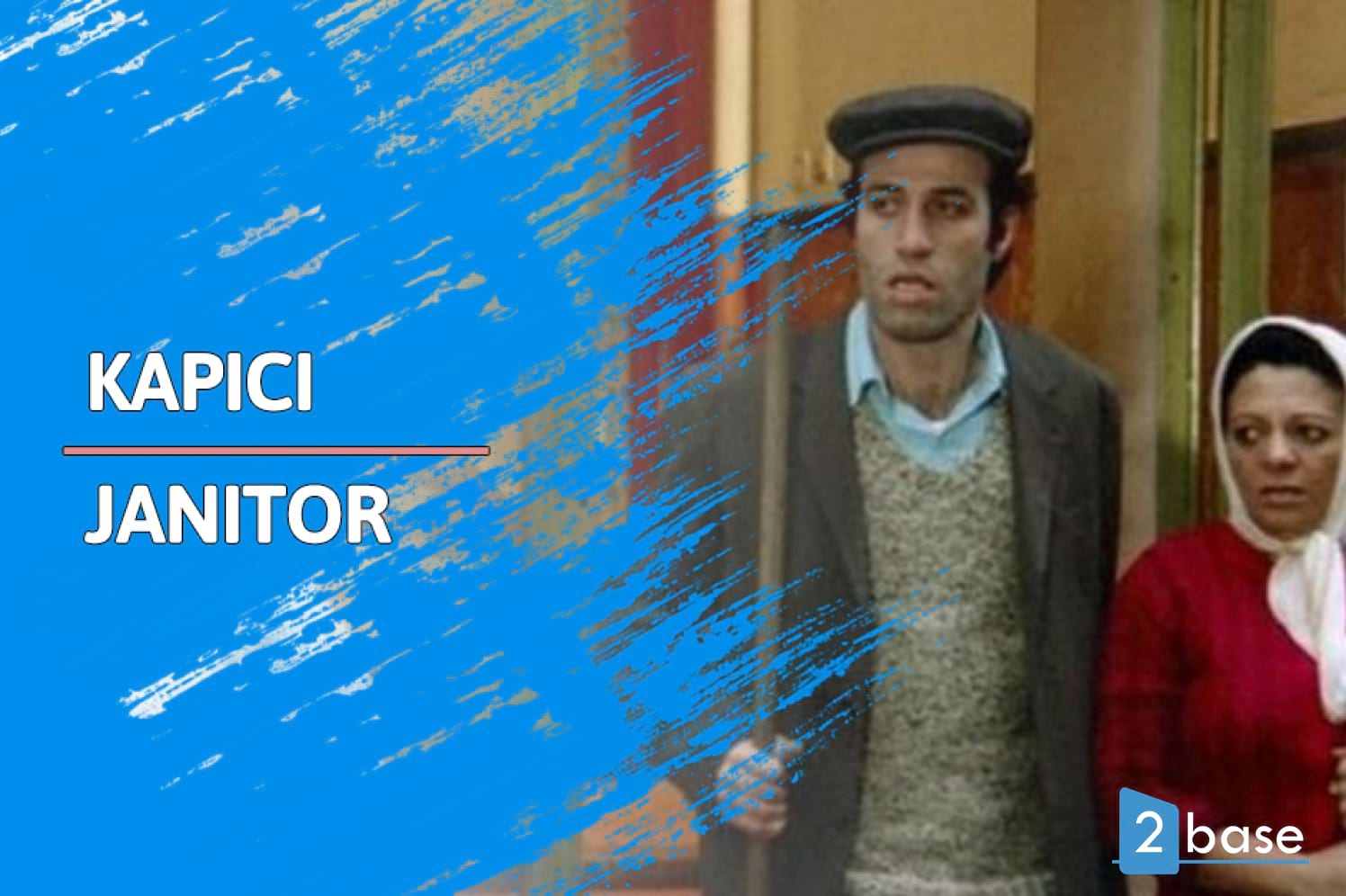
A building caretaker with key responsibilities.
A kapıcı (pronounced kah-puh-juh) is a janitor or building caretaker in Turkey. They are commonly employed in residential apartments (apartman) and gated communities (site). Their role includes maintenance, cleaning shared areas, managing waste, and sometimes handling minor repairs. In many buildings, they also assist with mail delivery and act as a point of contact for residents.
Kapıcıs are often live-in employees, residing in a small unit within the building (called kapıcı dairesi). Their presence is standard in Turkish urban properties, especially in Istanbul, Ankara, and Izmir. While not legally mandatory, most mid-to-high-end residential buildings hire one for convenience and security.
Not always, but most mid-to-high-end ones do.
In Turkey, the presence of a kapıcı depends on the building’s size, location, and budget. Most apartment buildings (apartmanlar) in cities like Istanbul, Ankara, or Izmir employ one, especially if there are 10+ units. Smaller buildings or rural properties may not have a dedicated kapıcı, with residents handling maintenance themselves or hiring external services.
Luxury developments and gated communities (siteler) always include a kapıcı, often with additional staff for security or landscaping. Older or budget buildings might share a kapıcı between multiple properties to reduce costs. Check the building’s management rules (kat mülkiyeti kanunu) to confirm.
Funded by monthly fees from residents.
A kapıcı’s salary is typically covered by the building’s monthly maintenance fees (aidat), paid by all property owners. The fee amount varies by city, building size, and services provided. Luxury buildings may charge more for additional staff or 24/7 coverage.
The building’s residents’ association (yönetim kurulu) or property management company sets the salary, which must comply with Turkey’s minimum wage laws. Some kapıcıs also receive tips or bonuses during holidays like Ramadan or New Year’s, though this is informal.
Protected under Turkish labor and tenancy laws.
A kapıcı in Turkey is entitled to standard labor rights under the Türk Borçlar Kanunu (Turkish Code of Obligations). This includes a written contract, minimum wage, paid leave (14–26 days annually), severance pay after 1+ years of service, and social security contributions (SGK). Employers (building management) must also provide a livable kapıcı dairesi if the role is live-in.
Dismissing a kapıcı without valid cause (e.g., theft, negligence) can lead to legal disputes. Many kapıcıs have long-term tenure, as Turkish courts often favor employees in wrongful termination cases. Building owners cannot unilaterally fire a kapıcı—decisions must be approved by the residents’ association.
Only under specific building rules or emergencies.
A kapıcı can restrict access to a building if authorized by the residents’ association (yönetim kurulu) or property management. Common reasons include: unregistered guests, suspicious activity, or violations of building rules (e.g., noise complaints). However, they cannot deny entry to property owners or legal tenants without a valid cause.
In gated communities (siteler), kapıcıs often work with security teams to enforce access policies. For disputes, residents can refer to the building’s internal regulations (yönetmelik) or local municipal laws. Police intervention may be required if entry is unlawfully blocked.
Kapıcıs manage maintenance; guards focus on security.
While both roles overlap in some duties, a kapıcı primarily handles maintenance, cleaning, and administrative tasks (e.g., mail, repairs). A güvenlik (security guard) is responsible for surveillance, access control, and emergency response. Luxury buildings or siteler often employ both, with the kapıcı managing daily operations and the guard ensuring safety.
Kapıcıs are not legally authorized to carry weapons or detain individuals, whereas security guards may have limited enforcement powers if certified. In smaller buildings, the kapıcı might perform light security duties (e.g., monitoring cameras), but their core role remains maintenance-oriented.
Basic phrases and tools help bridge the gap.
Many kapıcıs in tourist-heavy areas (e.g., Istanbul’s Beşiktaş or Antalya’s Lara) speak basic English or use translation apps. For essential interactions, learn key phrases like:
• „Merhaba“ (Hello)
• „Anahtarlarımı alabilir miyim?“ (Can I get my keys?)
• „Çöpü ne zaman atıyoruz?“ (When is trash collection?)
• „Su kaçağı var“ (There’s a water leak)
Apps like Google Translate (with Turkish offline pack) or hiring a local property manager can facilitate complex requests. Written notes or visual aids (e.g., photos of issues) also help. Also remember that a smile and politeness is a good start.
Residents must organize maintenance themselves.
Without a kapıcı, building upkeep becomes the responsibility of the residents’ association (yönetim kurulu) or individual owners. Tasks like cleaning common areas, waste disposal, and minor repairs may be outsourced to external companies, increasing costs. Emergency issues (e.g., plumbing leaks) could face delays without an on-site caretaker.
Some buildings rotate duties among residents or hire part-time help. However, this often leads to inconsistencies. In siteler (gated communities), professional management companies usually replace kapıcıs with full-service teams. Smaller buildings may rely on neighbors’ informal agreements, which can cause disputes.
Also read

Taksit (installment) – what it means in Turkish real estate

Teklif (Offer) – Understanding the Term in Turkish Real Estate

Havuz (Swimming Pool) – Meaning in Turkish Real Estate
Kat mülkiyeti kanunu (Condominium Ownership Law)
Asansör (Elevator) – What It Means in Turkish Real Estate

Bina (Building) – Understanding Turkish Real Estate Terms
Damga vergisi (stamp duty) in Turkey – explained for buyers

Emlak (Real Estate) in Turkey – A Simple Explanation for Foreign Buyers